Dear Friends,
This week I got some bad news about a client who passed after going to the hospital. Her daughter felt that she was over medicated and had far too many procedures. This prompted me to do some research on prescription death rates. In so doing, I stumbled across an online article called “The Dangers of Herbs” by an author, Ashira R of which I could find little information. She didn’t even use her last name. I found this odd because I didn’t do a search for dangerous herbs. This, as you can imagine, caught my attention and I had to know more about these “killer” herbs.
Upon reading I found that much of it was about misidentified herbs, well-known poisonous herbs, or out right ridiculous assertions (like her claim that bay leaf is a carcinogen).
Bay leaf? The wonderful flavor in Manhattan clam chowder and pea soup?
Run for your lives! They’re serving clam chowder!
The article was peppered with statements such as, “Aloe is a wonderful herb for healing external wounds and burns—but taken internally, it is dangerous,” and “American, or Black, hellebore is a violent narcotic that affects the heart—it can kill.”
Regarding aloe, I had to wonder: Was the author referring to the same aloe juice that many people use to relieve occasional constipation and support digestive health? The same aloe that has traditionally been used internally for its soothing and anti-inflammatory properties?
And then there was Black hellebore. Where did that come from? This is a plant better known for its long-lasting, attractive flowers than for its medicinal use. The only historical use of hellebore that I can recall is its use by Hippocrates as a purgative and an anthelmintic. However, hellebore contains compounds with effects that can resemble those of the drug digoxin, and there are many herbs that are both safer and more appropriate for therapeutic use.
Now, let me be clear: I would not consider using any form of hellebore. I also advise clients who are pregnant or nursing to avoid consuming aloe juice for prolonged periods. There are concerns that certain aloe preparations may stimulate uterine contractions, which could potentially pose a risk during pregnancy. For nursing mothers, I also do not recommend using aloe juice as part of an aggressive “detoxification” program.
I have great confidence in the safety and effectiveness of the herbs I use. At the same time, I recognize that any substance—natural or pharmaceutical—can be misused. If there is an herb with potentially unsafe properties, there is probably someone somewhere willing to use it irresponsibly or far beyond reasonable guidelines.
That realization prompted me to do a little research.
Given the number of deaths associated with prescription medications each year, I was confident that herbs would compare favorably in terms of safety. However, what I discovered amazed even me.
Herbs Compared to Pharmaceuticals
According to the data I reviewed, the estimated number of annual deaths attributed directly to the use or abuse of herbs, including cannabis, was reported as zero. That’s right—zero. Our World in Data
I decided to take this question one step further and look at the mortality associated with so-called “weight-loss formulas” containing extracted compounds, such as ephedrine derived from the ephedra plant. According to one source, prior to ephedra being banned in 2004, there had been a reported total of 155 deaths associated with its use. I was unable to determine the exact time period covered by that figure. Digital Naturopath
What I find particularly interesting is that laws were ultimately changed to ban the use of an herb in dietary supplements. This is one reason I personally prefer using whole herbs rather than isolated or extracted compounds. I disagree with the scientific approach that attempts to identify a single “magic bullet” within a plant and isolate it for therapeutic use. In my view, removing one compound from the complex chemistry of the whole plant can transform a natural substance into something that functions more like a pharmaceutical drug.
I also have to wonder why other substances with well-documented risks are not treated with the same level of concern. For example, acetaminophen (Tylenol) has been associated with hundreds of deaths each year in the United States.
But acetaminophen is only one drug. What happens when we look at the broader issue of deaths associated with medical treatment and pharmaceutical drugs?
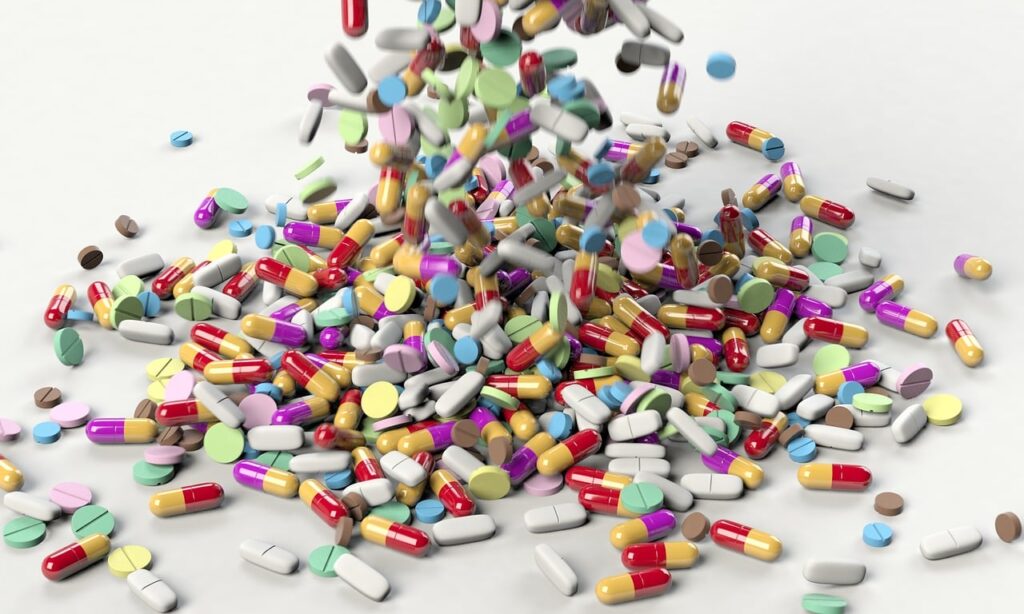
In 2006, one widely cited estimate placed the total number of iatrogenic deaths—deaths resulting from medical treatment, diagnostic procedures, or other healthcare interventions—at approximately 783,936 annually in the United States. Estimates of deaths associated with properly prescribed and administered medications have also been reported in the tens of thousands each year. One frequently cited estimate placed the number at approximately 106,000 deaths annually. This figure does not include intentional overdoses or drug abuse.
If these estimates are accurate, the number of deaths associated with properly prescribed medications raises important questions about how we evaluate the safety of medicines and natural substances.
This leads me to another question: Why are herbs often viewed with such skepticism when pharmaceuticals are routinely approved despite the fact that they can cause serious adverse effects?
The FDA approval process does require clinical research, but much of the research submitted in support of new drugs is funded or conducted by the manufacturers that stand to profit from those products. Drug manufacturers may also have significant influence over the design and reporting of clinical trials. While regulatory agencies have established procedures intended to address these concerns, the financial relationship between pharmaceutical manufacturers, clinical research, and drug approval continues to raise legitimate questions about potential conflicts of interest.
Should we be asking for greater transparency and more independent research when evaluating the safety of both pharmaceutical drugs and herbal medicines?
In Fairness to Our Medical System
I am not saying that allopathic medicine has no value. Quite the contrary. Despite the problems associated with prescription drug use, I believe our medical system is probably among the best in the world when it comes to treating acute illness, traumatic injury, and medical emergencies.
My concern is that, as a nation, we are using ever-increasing amounts of pharmaceutical drugs while pharmaceutical companies face increasing pressure to generate higher profits. This can put us at risk for unforeseen side effects, unexpected complications, and, in some cases, death.
What I am saying is that you need to take an active role in your own health.
If you don’t, you could find yourself in a situation similar to that of one of my clients. She has taken large amounts of prednisone, prescribed by her doctor, for 39 years. Today, her bones are severely deteriorating, her diabetes is difficult to control, and she is unable to reduce her dosage—even by the smallest amount—without experiencing horrendous reactions.
Sadly, I know too many people who have been harmed by the very medical treatments and professionals they turned to for help.
If you have a chronic condition, I urge you to investigate all of your options, including natural approaches that may help support your health. Learn as much as you can, ask questions, and take an active role in the decisions that affect your body and your well-being.
In my experience, true healing often requires looking beyond simply suppressing symptoms and asking what may be contributing to the problem in the first place.
Many health problems may involve underlying deficiencies, toxic exposures, lifestyle factors, or other contributing causes. For example, an aspirin may help relieve a headache, but having a headache does not mean that you have an aspirin deficiency. Aspirin may temporarily relieve the pain, but it does not necessarily address what caused the headache in the first place.
This is why I believe it is important to look for the underlying cause whenever possible.
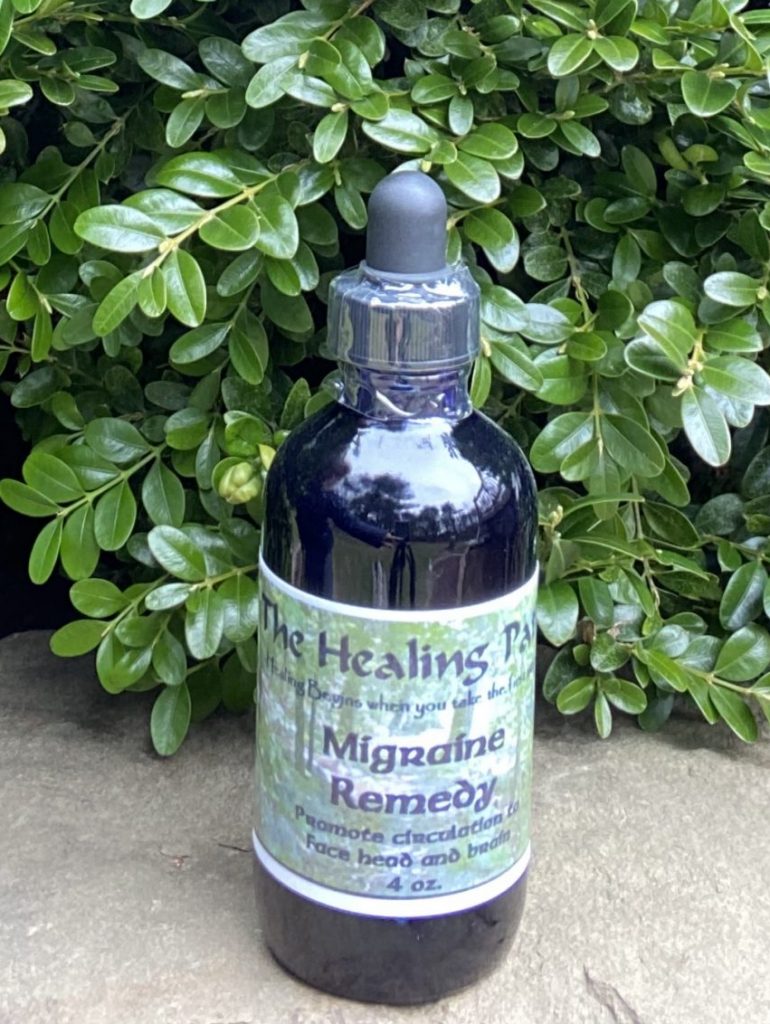
If you struggle with headaches, certain herbs—including feverfew and wood betony—have traditionally been used to support headache relief. Both can be found in my Migraine Remedy.
The goal is not to reject conventional medicine. The goal is to become an informed and active participant in your own healthcare—asking questions, exploring your options, and working to understand the underlying causes of chronic health problems whenever possible.
Love and Light,
Lori