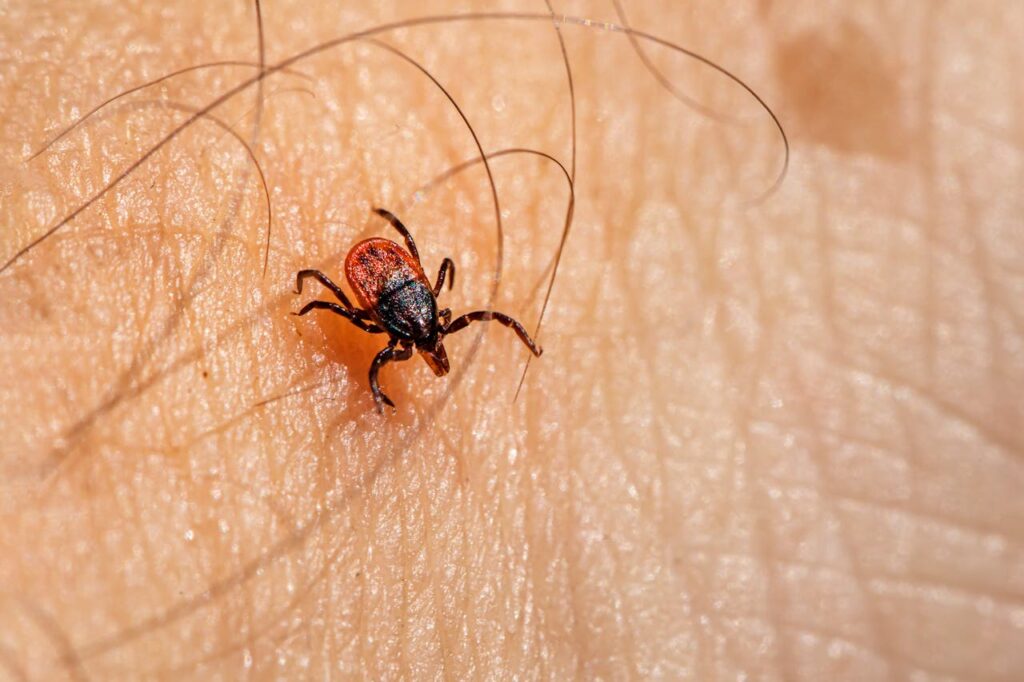
Lyme disease (Lyme borreliosis) is a bacterial infection transmitted through the bite of infected ticks. In the northeastern and upper Midwestern United States, the primary carriers are deer ticks, while on the Pacific Coast—particularly in Northern California and Oregon—the disease is spread by western black-legged ticks. These ticks are extremely small, often no larger than a poppy seed or sesame seed, and their bites are usually painless. However, the area around the bite may become intensely itchy afterward.
Lyme disease generally progresses through three stages.
Stage 1: Early Localized Lyme Disease Within 1 to 31 days after an infected tick bite, a rash may develop at the bite site. Although not everyone develops this rash, it often expands gradually and may resemble a bull’s-eye pattern. Flu-like symptoms such as fatigue, fever, headache, and muscle aches may also occur.
Stage 2: Early Disseminated Lyme Disease If the infection is not diagnosed and treated during the early stage, it can spread throughout the body over the following weeks or months. This stage may affect the skin, joints, and nervous system.
Stage 3: Late Persistent Lyme Disease Weeks, months, or even years after the initial infection, untreated Lyme disease can lead to more serious complications. These may include chronic joint inflammation, heart problems, and neurological symptoms affecting the nervous system.
Early recognition and treatment are important because Lyme disease is generally much easier to treat before it progresses to the later stages.
The Healing Path's Protocol for Lyme Disease
My personal approach to managing Lyme disease involves rotating several herbal tinctures over time. I typically rotate herbs at approximately three-month intervals. In my experience, this helps maintain the effectiveness of the herbal protocol Lyme disease.
I also take a brief break from the herbs every two weeks to once a month, usually for 36 to 48 hours. My belief is that this interruption may make the Lyme bacteria more vulnerable when the herbal protocol is resumed. While this step is optional, I have found that it appears to accelerate my progress compared to taking the herbs continuously.
For those who live in areas where deer ticks are common, I choose to use stevia as my primary sweetener instead of sugar. Stevia is a plant-based sweetener that I include as part of my overall wellness protocol.
Best Herbs for Lyme Disease
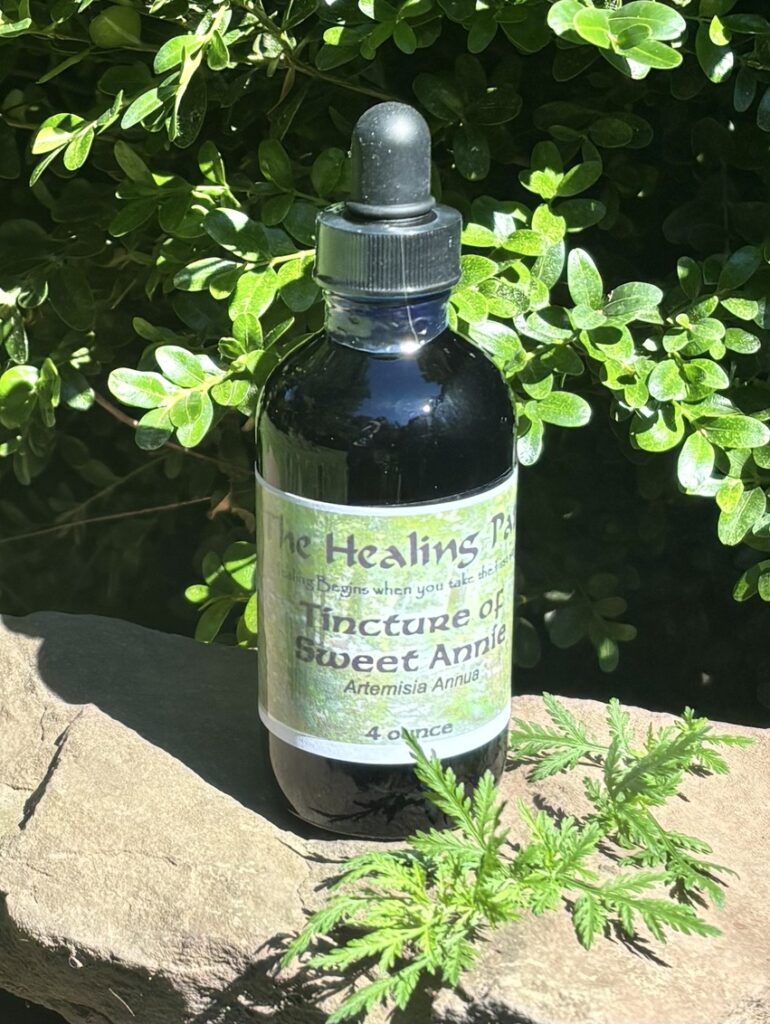
Tincture of Sweet Annie (Artemisia annua) I use Sweet Annie as the starting point of my protocol. It is one of the primary herbs in my Lyme disease regimen and is also used to support general wellness and lymphatic health.
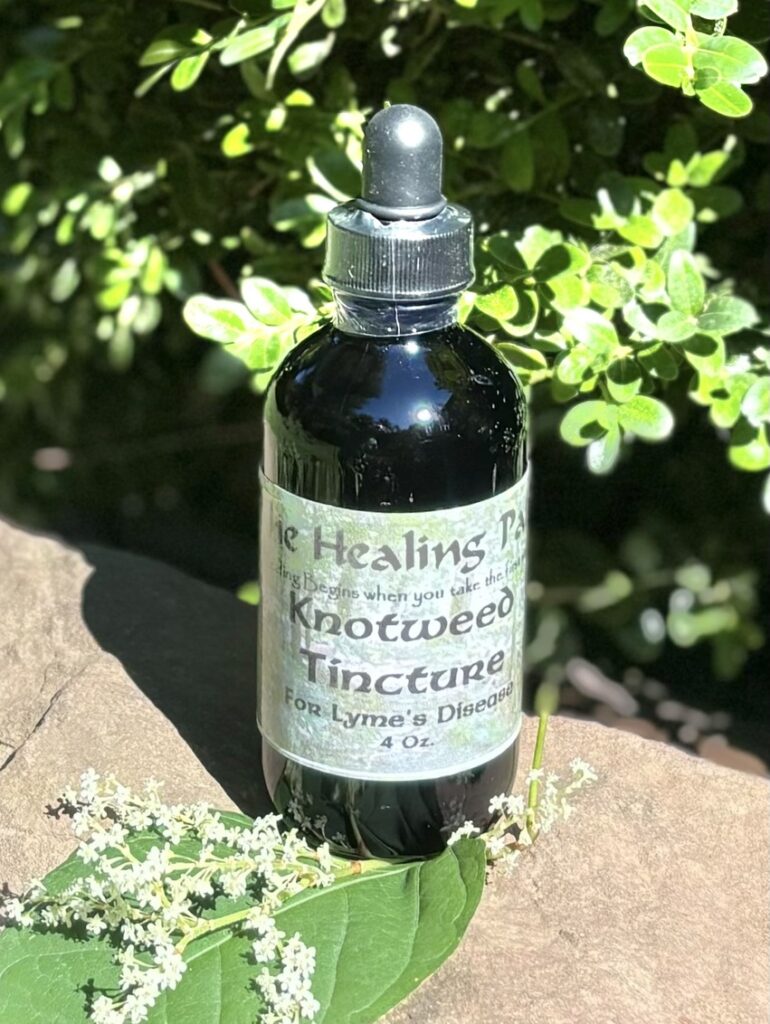
Tincture of Japanese Knotweed (Fallopia japonica) I use knotweed as part of my Lyme disease protocol because of its traditional use for antimicrobial support and its potential benefits for cardiovascular and liver health.
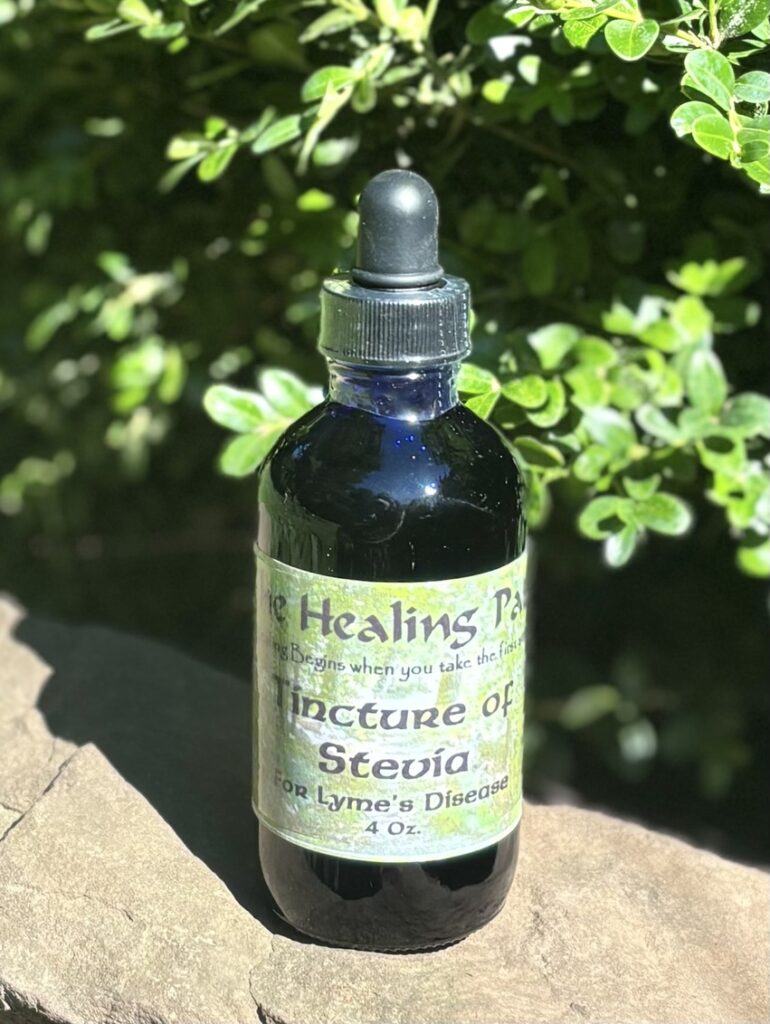
Tincture of Stevia (Stevia rebaudiana) Stevia tincture is included in my protocol as one of the herbs I use for antimicrobial support and overall wellness.
Tincture of Thyme Thyme is another component of my Lyme disease protocol. I use it alongside Sweet Annie, Japanese Knotweed, and Stevia as part of my rotating herbal regimen.
This protocol reflects my personal experience and the methods that I have chosen to use in managing Lyme disease. Individuals considering herbal therapies should research the available evidence and consult a qualified healthcare professional before beginning any treatment program.